

NAION vs. Other Ozempic Eye Complications: What Makes Vision Loss Cases Stand Apart
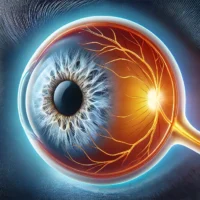
Patients taking Ozempic (semaglutide) have reported a range of eye-related side effects. While some are minor or temporary, Non-Arteritic Anterior Ischemic Optic Neuropathy (NAION) stands out as uniquely severe and potentially life-altering. Understanding how NAION, often referred to as eye stroke, differs from other ocular complications is important for patients, caregivers, and attorneys evaluating potential claims. If you’ve been diagnosed with a serious health condition such as gastroparesis, bladder cancer, NAION or others during or after taking Ozempic, call Leandros A. Vrionedes, P.C., to speak with a New York Ozempic injury lawyer experienced in dangerous drug liability and other personal injury matters.
What Is NAION?
NAION is a sudden interruption of blood flow to the optic nerve, the nerve responsible for transmitting visual information from the eye to the brain. When blood flow is compromised, nerve cells can be damaged or die, resulting in vision loss. In most cases, NAION affects only one eye and occurs without pain, often surprising patients with a sudden decrease in vision. This rapid onset leads many to label NAION as an “eye stroke,” referring to its sudden appearance with no warning.
Symptoms of NAION may include:
- Partial or complete vision loss in one eye
- Blurred or dim vision
- Loss of peripheral vision or blind spots
- Difficulty seeing in low-light conditions
Unlike common eye strain or temporary blurred vision, NAION is typically irreversible. Once vision is lost, recovery is rare, making the condition especially alarming for patients who rely on their vision for work, driving, or daily independence. Early detection and urgent ophthalmologic care are crucial to evaluate the extent of damage and prevent complications, but even with prompt care, lost vision often cannot be restored.
Temporary vs. Permanent Eye Conditions
Not all Ozempic-related vision complaints carry the same risk. Many patients report mild issues such as blurred vision, eye fatigue, or minor retinal changes. These conditions are generally temporary and may improve after medication adjustment or discontinuation.
NAION differs because it results in permanent damage. While blurred vision or minor retinal irritation may affect patients for a short period, NAION can lead to lifelong impairment. This distinction is critical when evaluating medical and legal implications, as permanent vision loss has significant consequences for employment, independence, and daily life.
Why NAION Is Uniquely Devastating
The permanent nature of NAION makes it one of the most serious side effects linked to Ozempic. The condition can impact:
- Employment: Patients in jobs requiring driving, operating machinery, or visual precision may face lost income or diminished earning potential.
- Daily independence: Even routine tasks, like cooking, navigating streets, or reading, become challenging.
- Personal safety: Permanent vision loss can increase the risk of falls, accidents, or other injuries.
- Quality of life: Social interaction, hobbies, and mental health may all suffer after sudden vision loss.
Because of these profound effects, NAION cases are treated differently from other Ozempic eye complaints. Insurers, courts, and attorneys recognize that vision loss can have lifelong implications, elevating the stakes for legal claims.
How Lawyers Handle NAION Cases
Claims involving NAION are distinct in several key ways:
- Severity and permanence: Attorneys highlight the irreversibility of the injury to establish high-impact damages.
- Effect on life and income: Demonstrating loss of employment opportunities, reduced earning capacity, or the need for assistance emphasizes the long-term consequences.
- Failure-to-warn allegations: Litigation often centers on whether the manufacturer adequately informed patients and doctors about the risk of NAION.
- Causation: Establishing a link between Ozempic and optic nerve damage is crucial, often supported by medical records, ophthalmology exams, and expert testimony.
Other Ozempic-related eye issues, such as blurred vision or mild retinopathy, generally do not lead to high-severity claims because they are reversible and less disruptive to daily life. NAION, by contrast, creates significant long-term consequences that are central to legal strategy.
Patients should maintain thorough records to support a claim, including dates and descriptions of vision changes; ophthalmology reports, imaging, and diagnostic testing; medical history, including pre-existing eye conditions or vascular risk factors; and medication history, including Ozempic dosage and duration. This documentation is essential for proving causation and calculating damages, which may include medical expenses, lost income, diminished earning capacity, and compensation for permanent impairment.
Other Serious Conditions Associated With Ozempic
While NAION represents the most severe vision-related risk, Ozempic has also been linked to other significant medical complications that may justify a legal claim. These include:
- Gastroparesis: Severe or permanent paralysis of the stomach, causing nausea, vomiting, and digestive problems
- Cyclical vomiting: Persistent vomiting lasting two weeks or more
- Deep vein thrombosis (DVT) and blood clots
- Ileus or intestinal obstruction
- Gallbladder removal complications (before 2022)
- Pulmonary aspiration during surgery
- Malnutrition-related disorders, such as sarcopenia, Wernicke encephalopathy, or vitamin deficiencies
- Pancreatic cancer
Patients experiencing any of these conditions while taking Ozempic are urged to consult an attorney experienced in pharmaceutical litigation. Early evaluation of your claim is critical for preserving evidence and documenting causation.
Contact Ozempic Injury Attorney Leandros A. Vrionedes
NAION is fundamentally different from other Ozempic eye complications. Its sudden onset, permanence, and profound impact on everyday life make it a unique and serious legal concern. For patients, timely medical documentation and consultation with an attorney can be crucial for protecting rights and pursuing compensation.
If you or a loved one has experienced sudden vision loss or other serious medical complications while taking Ozempic, contact Leandros A. Vrionedes, P.C. today. Serving clients throughout New York City, Nassau, and Westchester counties, our team can help evaluate your situation, explain your legal options, and guide you through pharmaceutical injury claims to seek full compensation for injuries caused by Ozempic.