New York City Car Accident Lawyer
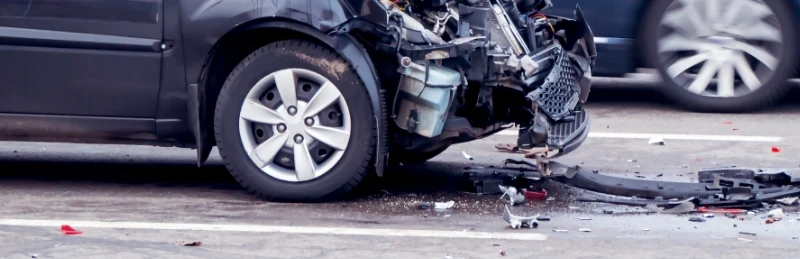
Car accidents in New York City happen in environments unlike anywhere else: crowded intersections in Manhattan, delivery traffic in Brooklyn, high-speed corridors in Queens, and constant congestion across the Bronx and Staten Island. When a collision occurs in these conditions, the consequences can be immediate and overwhelming, leaving injured individuals facing medical treatment, time away from work, and uncertainty about what to do next.
Leandros A. Vrionedes, P.C., represents individuals throughout New York City who have been injured in car crashes caused by negligent drivers, unsafe roadway conditions, or other preventable factors. These cases require more than a basic understanding of personal injury law. They demand familiarity with New York’s insurance framework, local traffic realities, and the strategies insurers use when evaluating claims.
How Car Accidents Occur Across New York City
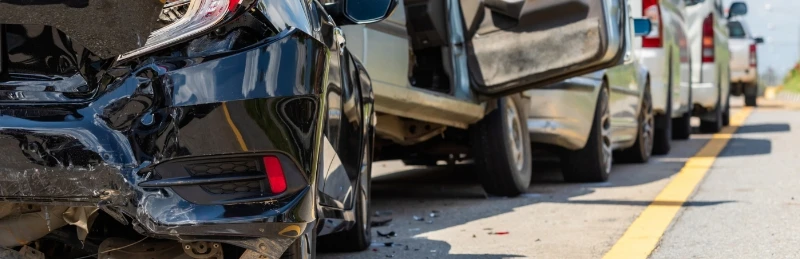
Unlike suburban or rural areas, accidents in New York City often involve multiple vehicles, commercial drivers, pedestrians, or cyclists within a confined space. Congestion, frequent stops, and constant lane changes create conditions where even a moment of inattention can result in serious harm.
Many crashes stem from distracted driving, aggressive maneuvers in heavy traffic, failure to yield at intersections, or drivers attempting to navigate unfamiliar streets. Others involve rideshare vehicles, delivery trucks, or buses operating under tight schedules. Weather conditions, road construction, and poorly maintained streets can also contribute to collisions, particularly in high-traffic areas.
Understanding how and where an accident occurred is essential, as these details often shape both liability and the strategy used to pursue compensation.
Navigating New York’s No-Fault Insurance System
New York’s no-fault insurance system governs most car accident claims at the outset. This means that, regardless of who caused the accident, your own insurance policy typically covers basic medical expenses and a portion of lost wages. While this system is designed to provide quick access to benefits, it also places limits on what can be recovered.
When injuries meet the “serious injury” threshold under New York law, an injured person may step outside the no-fault system and pursue a personal injury claim against the at-fault party. Determining whether that threshold has been met and how to properly document it is a critical step in maximizing recovery. Without careful handling, valid claims can be undervalued or delayed.
Establishing Liability in a New York Car Accident Case
Although no-fault coverage applies initially, liability remains central in cases involving significant injuries. Determining fault requires a detailed investigation that goes beyond a basic accident report.
This process may include reviewing surveillance footage from nearby buildings, analyzing traffic camera data, interviewing witnesses, and consulting accident reconstruction specialists. In many cases, liability is not limited to a single driver. Employers, vehicle owners, or third parties responsible for roadway conditions may also play a role.
Establishing negligence involves demonstrating that a party failed to exercise reasonable care under the circumstances and that this failure directly caused the injuries sustained. In a city where accidents often happen quickly and involve multiple factors, building a clear and supported narrative is essential.
The Impact of Injuries and the Scope of Recovery
Injuries resulting from car accidents in New York City can range from soft tissue damage to life-altering conditions. Traumatic brain injuries, spinal cord damage, fractures, and internal injuries often require ongoing medical care and rehabilitation. Even injuries that initially appear minor can develop into long-term complications that affect daily life and employment.
When a claim moves beyond the no-fault system, compensation may include medical expenses, lost income, reduced earning capacity, and damages for pain and suffering. The value of a claim depends not only on the immediate injury, but also on its long-term impact. Proper evaluation requires a comprehensive understanding of both the medical and financial consequences involved.
How a Car Accident Case Is Built
Successfully pursuing a car accident claim in New York City involves more than filing paperwork or negotiating with an insurance company. It requires a coordinated approach that begins with preserving evidence and continues through every stage of the claim.
Medical records must be carefully documented, timelines established, and expert opinions obtained when necessary. Insurance carriers often conduct their own investigations and may attempt to limit exposure by disputing liability or minimizing the severity of injuries. Responding effectively requires preparation, consistency, and a clear strategy from the outset.
Whether a case resolves through negotiation or proceeds to litigation, each step must be handled with attention to detail and an understanding of how these claims are evaluated in New York courts.
Why Local New York City Legal Experience Matters
Car accident claims in New York are shaped by local factors that do not exist elsewhere. From the structure of the no-fault system to the way courts handle injury claims, outcomes often depend on how well a case is positioned within this environment.
Familiarity with New York City roadways, traffic patterns, and the behavior of local insurers can make a meaningful difference in how a claim is developed and presented. This is particularly important in cases involving commercial vehicles, municipal entities, or multiple parties, where the legal and procedural issues can become more complex.
Frequently Asked Questions
Do I need to report a car accident in New York City?
In New York, you are required to report an accident to the Department of Motor Vehicles if it results in injury, death, or property damage exceeding a certain amount. Failing to report an accident can lead to penalties, including suspension of your driver’s license.
What is an MVAIC claim, and when does it apply?
An MVAIC claim may be available if you were injured in a car accident involving an uninsured vehicle, a hit-and-run driver, or a vehicle that cannot be identified. These claims are subject to strict filing deadlines and documentation requirements, making early action important.
How do rideshare accidents (Uber or Lyft) affect my claim in NYC?
Rideshare accidents can involve multiple insurance policies depending on whether the driver was logged into the app or actively transporting a passenger. Determining which policy applies is critical and can significantly affect the compensation available.
What happens if I was hit by a taxi or commercial vehicle?
Accidents involving taxis, delivery vehicles, or other commercial drivers often involve additional layers of liability, including the company that owns or operates the vehicle. These cases may require a more detailed investigation into employment relationships and insurance coverage.
Can I recover compensation if the driver who hit me fled the scene?
In many cases, you may still be able to recover compensation through your own uninsured motorist coverage or through an MVAIC claim. However, these cases require prompt reporting and careful documentation to move forward.
Contact Leandros A. Vrionedes, P.C.
If you have been injured in a car accident in New York City, taking the right steps early can have a significant impact on your case. Leandros A. Vrionedes, P.C., represents individuals facing serious injuries and complex claims, providing clear guidance and focused advocacy throughout the process.
Contact us to discuss your situation and learn how to pursue your claim.