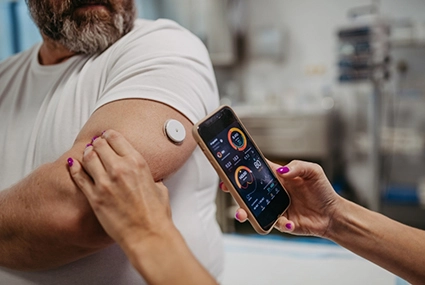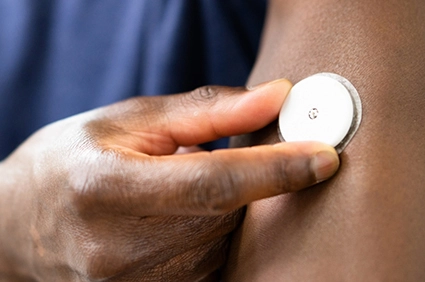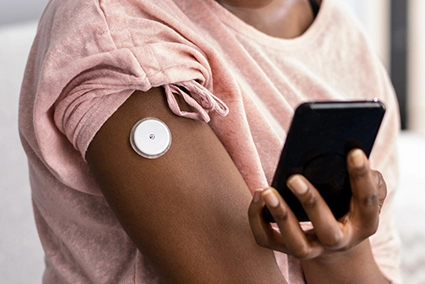
If you or a loved one used an Abbott FreeStyle Libre 3 or Libre 3 Plus sensor and suffered any of the following injuries after relying on an inaccurate glucose reading, you may qualify for a potential claim.
These cases generally involve a sensor reading that appeared falsely low or normal, a diabetes-treatment decision based on that reading, and a serious physical injury requiring medical treatment.
Qualifying injuries may include:
- Death
- Diabetic ketoacidosis, also known as DKA
- Severe hyperglycemia requiring emergency treatment
- ICU admission
- Coma
- Loss of consciousness
- Stroke
- Cardiac event
- Organ injury
- Brain injury
- Permanent neurological injury
- Seizure tied to documented glucose derangement
- Repeated ER visits tied to inaccurate sensor readings
- Physician-treated glucose event after inaccurate Libre readings
Injured After Relying on an Abbott FreeStyle Libre 3 or Libre 3 Plus Reading?
People living with diabetes depend on continuous glucose monitors to make immediate treatment decisions. A reading on a FreeStyle Libre 3 or FreeStyle Libre 3 Plus sensor can affect whether a person eats carbohydrates, takes insulin, delays insulin, confirms with a fingerstick, calls a doctor, or seeks emergency care. When that reading is wrong, the consequences can be serious.
Abbott Diabetes Care has recalled certain FreeStyle Libre 3 and FreeStyle Libre 3 Plus sensors because they may provide glucose readings that are lower than a user’s actual blood glucose level. The FDA has identified the recall as the most serious type and has stated that continued use of affected devices can cause serious injury or death. The FDA also reported that, as of January 7, 2026, Abbott had reported 860 serious injuries and seven deaths associated with the issue.
Leandros A. Vrionedes, P.C. is reviewing potential claims for individuals and families in New York who suffered serious injuries after relying on inaccurate FreeStyle Libre 3 or Libre 3 Plus sensor readings. If you experienced diabetic ketoacidosis, severe hyperglycemia, hospitalization, ICU admission, coma, neurological injury, or the death of a loved one after a sensor appeared to give an incorrect reading, you should speak with an attorney as soon as possible.
Why False Low Glucose Readings Can Be Dangerous
A continuous glucose monitor is not just a convenience device. For many people with diabetes, it becomes part of the rhythm of daily medical decision-making. A falsely low reading can suggest that blood sugar is lower than it really is. That can lead a user to consume unnecessary carbohydrates, delay insulin, skip insulin, or fail to confirm the reading with a blood glucose meter.
The danger is especially serious when the actual blood glucose level is high. A person who believes the sensor is showing a low or normal reading may not recognize worsening hyperglycemia until symptoms become severe. By the time the discrepancy is discovered, the person may already need emergency treatment.
The FDA has stated that incorrect low glucose readings over an extended period may lead to wrong treatment decisions, including excessive carbohydrate intake or skipped or delayed insulin doses, and that those decisions can pose serious health risks. Abbott’s own FreeStyleCheck notice similarly instructs users to use a blood glucose meter or built-in reader meter when sensor readings do not match symptoms or expectations.
Potential FreeStyle Libre 3 Injury Claims We Are Reviewing
The strongest potential cases involve more than an inaccurate sensor or product replacement. A viable injury claim generally requires a clear connection between the device reading, the treatment decision, and the medical harm that followed.
Leandros A. Vrionedes, P.C. is reviewing claims involving FreeStyle Libre 3 and FreeStyle Libre 3 Plus users who suffered serious physical injuries after relying on a sensor reading that appeared to be inaccurate. These injuries may include diabetic ketoacidosis requiring hospitalization, severe hyperglycemia requiring emergency treatment, ICU admission, loss of consciousness, coma, permanent neurological injury, stroke, cardiac event, organ injury, brain injury, or death.
Claims may also warrant review where the user required ambulance transport, repeated emergency room care, or significant medical treatment after relying on a sensor that reported a falsely low or falsely normal glucose level. Moderate injury cases require closer screening, especially when the medical records, glucose data, or treatment history show a meaningful difference between the sensor reading and the person’s actual glucose level.
Evidence That Can Help Support a FreeStyle Libre Claim
These cases depend heavily on records. The sensor itself, the packaging, the serial number, the lot number, prescription records, pharmacy records, durable medical equipment records, Abbott replacement communications, app screenshots, reader data, and Abbott account data can all become important.
Medical documentation is equally critical. Emergency room records, hospital records, ICU records, ambulance records, endocrinology records, primary care notes, lab glucose results, blood glucose meter readings, insulin pump records, dosing records, and discharge summaries can help establish what happened and why it matters.
If the case involves a death, the family should preserve the death certificate, autopsy records if available, terminal hospital records, EMS records, and any device or app data available from the period before the fatal event. Even small pieces of documentation can help show whether the person used a FreeStyle Libre 3 or Libre 3 Plus sensor, whether the sensor reading was inaccurate, and whether the user relied on that reading before the injury.
What to Do Before You Discard Anything
If you or a loved one used a FreeStyle Libre 3 or Libre 3 Plus sensor and suffered a serious glucose-related injury, do not throw away the sensor, applicator, box, packaging, prescription label, or replacement notice if you still have them. Take photographs of the sensor, carton, serial number, lot number, app screens, and any Abbott communications. Save screenshots from the FreeStyle Libre app or reader, especially records showing recent readings before the injury.
You should also request copies of hospital, emergency room, ambulance, endocrinology, and primary care records. If you used an insulin pump, blood glucose meter, or other diabetes-management device, preserve that data as well. These records can help show the difference between what the sensor reported and what the user’s blood glucose actually was.
The FDA has instructed patients to verify whether their sensors are impacted and to discontinue and dispose of affected sensors after confirmation, but people who suffered an injury should also speak with counsel about preserving evidence before anything important is lost.
When a FreeStyle Libre Injury Case May Be Difficult
Not every sensor problem supports a legal claim. Cases based only on inconvenience, anxiety, sleep disruption, replacement costs, or ordinary product frustration are generally different from cases involving physical injury and medical treatment.
A claim may also be difficult if there is no evidence that the user relied on the sensor reading, no way to identify the product as a FreeStyle Libre 3 or Libre 3 Plus, or medical records showing that the injury was clearly caused by another condition such as infection, unrelated illness, pump failure, unrelated missed insulin, or use contrary to medical instructions.
That does not mean an injured person should self-screen too aggressively. Diabetes emergencies are medically complex. The better approach is to gather the records, preserve the device information, and let an attorney evaluate whether the timeline, sensor data, treatment decision, and injury fit together.
New York Product Liability Claims Involving Defective Medical Devices
Cases involving defective medical devices often require careful investigation into product design, manufacturing, warnings, recall communications, medical causation, and damages. In a FreeStyle Libre 3 or Libre 3 Plus injury claim, the legal analysis may focus on whether the device provided an inaccurate reading, whether Abbott adequately warned users and medical providers, whether the affected sensor came from a recalled lot, and whether the user’s treatment decision was a foreseeable result of the inaccurate reading.
New York injury cases also have strict filing deadlines. Many personal injury claims in New York must be filed within three years, while wrongful death claims are generally subject to a two-year deadline. The exact deadline can depend on the facts, the parties, and the legal theory, which is why prompt review matters.
Leandros A. Vrionedes, P.C. has decades of experience representing injured plaintiffs in New York personal injury matters, including defective product and wrongful death cases. The firm serves clients from offices in New York City and Queens and represents injured people across New York City, Long Island, and Westchester County.
Speak With a New York Abbott FreeStyle Libre Defect Lawyer
If you suffered a serious diabetes-related injury after relying on a FreeStyle Libre 3 or Libre 3 Plus sensor, you should not assume that the event was simply a medical complication. A falsely low or falsely normal reading can change treatment decisions at the exact moment when accurate information matters most.
Leandros A. Vrionedes, P.C. can review the sensor information, medical records, Abbott communications, app or reader data, and treatment timeline to determine whether you may have a claim. The sooner the evidence is gathered, the easier it is to evaluate what happened and protect your rights.
Contact Leandros A. Vrionedes
If you or a loved one suffered diabetic ketoacidosis, severe hyperglycemia, hospitalization, ICU admission, coma, permanent injury, or death after using an Abbott FreeStyle Libre 3 or Libre 3 Plus sensor, contact Leandros A. Vrionedes, P.C. for a free consultation.
Submit your case online to speak with a New York personal injury attorney about a potential Abbott FreeStyle Libre sensor defect claim.