

Recent Blog Posts
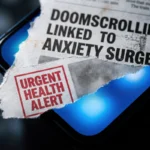
What Parents Should Know About Doomscrolling
Parents may be familiar with the sight of a teenager scrolling endlessly through a phone, but the content being consumed can be just as important as the amount of time spent online. When a child repeatedly scrolls through negative, frightening, disturbing, or emotionally upsetting news and social media posts, the behavior is commonly described… Read More »


What Happens When Patients Trust Incorrect Glucose Data?
For millions of people living with diabetes, continuous glucose monitoring (CGM) devices have become an indispensable part of daily life. Devices like the Abbott FreeStyle Libre 3 and Libre 3 Plus provide near real-time glucose readings, helping users make important decisions about insulin dosing, meals, exercise, and other aspects of diabetes management. While these… Read More »

When a Construction Accident Involves Multiple Contractors: How Liability Is Shared
Construction sites are busy workplaces where several companies often perform different jobs at the same time. A single project may involve the property owner, a general contractor, multiple subcontractors, equipment suppliers, and various trades working side by side. While this coordination helps keep a project moving, it can also make it much more difficult… Read More »

Insurance Companies’ View of Ozempic Vision Loss Claims
As lawsuits involving Ozempic (semaglutide) continue to develop, one thing has become increasingly clear: not all injury claims are viewed the same way. While gastrointestinal complications such as nausea, vomiting, gastroparesis, and ileus can result in substantial damages, claims involving permanent vision loss often receive a very different level of scrutiny. Many of the… Read More »

New York Eliminates the 90/180-Day Serious Injury Category in Car Accident Cases
New York has just made one of the most significant changes to its automobile accident laws in decades. As part of the state’s 2026 motor vehicle “tort reform” legislation, lawmakers eliminated the so-called “90/180-day” category from New York’s serious injury threshold statute. For years, the 90/180-day category provided an important pathway for injured accident… Read More »

Trip and Fall Accidents in Multi-Tenant Buildings: Who Is Actually Responsible?
Trip and fall accidents in multi-tenant buildings are rarely as simple as they first appear. In New York City, many buildings contain multiple businesses, residential units, and shared common areas. When someone is injured on a staircase, hallway, lobby, or entryway, one of the first legal questions is: who was responsible for maintaining that… Read More »

How to Preserve Medical Evidence for an Ozempic Vision Loss Claim
When vision suddenly changes or is lost after taking a medication like Ozempic (semaglutide), the immediate medical response is the priority. But from a legal standpoint, what happens in the days and weeks that follow can be just as important. Properly preserving medical evidence is often the difference between a well-supported claim and one… Read More »
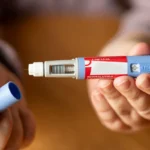
What Evidence Is Needed for an Ozempic Injury Claim
As more patients report serious side effects linked to Ozempic (semaglutide), questions about potential legal claims are becoming more common, especially in cases involving vision loss such as Non-Arteritic Anterior Ischemic Optic Neuropathy (NAION), often referred to as an “eye stroke.” If you believe you were harmed after taking Ozempic, the strength of your… Read More »

Who Is Liable for a Trip and Fall on a New York City Sidewalk
Trip and fall accidents on New York City sidewalks are common, but determining who is legally responsible is not always straightforward. Many people assume the City is automatically liable, but New York law often places responsibility on other parties. Below we discuss NYC sidewalk accidents and property liability. If you have been injured on… Read More »
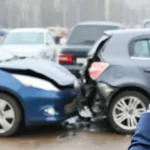
How Is Liability Divided in Chain-Reaction Crashes
Multi-vehicle accidents, often causing chain-reaction crashes, are common on busy New York roads. These collisions can involve three, four, or even more vehicles, making it difficult to determine who is at fault and to what extent. Unlike a simple two-car accident, liability in a chain-reaction crash is rarely assigned to just one driver. Instead,… Read More »