
Recent Blog Posts

Linking Blood Pressure Changes to NAION in Weight-Loss Drug Users
The latest generation of weight-loss medications has helped many people manage their weight and improve their health. However, questions have emerged about whether certain medications, including semaglutide products such as Ozempic, may be associated with a rare but serious eye condition called non-arteritic anterior ischemic optic neuropathy (NAION). Often described as an “eye stroke,”… Read More »


How “Eye Stroke” Injuries Are Evaluated in Court
An “eye stroke” can change a person’s life in an instant. The term is commonly used to describe Non-Arteritic Anterior Ischemic Optic Neuropathy (NAION), a condition involving reduced blood flow to the optic nerve that can cause sudden vision loss, usually in one eye. Although some patients experience some improvement in central vision, visual… Read More »

Recent Social Media Addiction Lawsuits Explained
Social media addiction lawsuits have become one of the most significant areas of litigation involving major technology companies. Parents, young adults, school districts, state governments, and other plaintiffs have accused companies including Meta, Google, TikTok, and Snap of designing platforms with features that encourage compulsive use and can contribute to serious harm. The litigation… Read More »

What Does Meta’s $17.1 Billion Settlement Mean for Social Media Addiction Lawsuits?
Meta’s recent settlement with nearly all U.S. states over allegations involving the harmful effects of Facebook and Instagram on children and teenagers represents one of the most significant legal developments in the growing fight over social media addiction. The agreement requires Meta to make substantial changes to how young people use its platforms and… Read More »
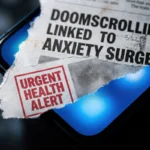
What Parents Should Know About Doomscrolling
Parents may be familiar with the sight of a teenager scrolling endlessly through a phone, but the content being consumed can be just as important as the amount of time spent online. When a child repeatedly scrolls through negative, frightening, disturbing, or emotionally upsetting news and social media posts, the behavior is commonly described… Read More »

What Happens When Patients Trust Incorrect Glucose Data?
For millions of people living with diabetes, continuous glucose monitoring (CGM) devices have become an indispensable part of daily life. Devices like the Abbott FreeStyle Libre 3 and Libre 3 Plus provide near real-time glucose readings, helping users make important decisions about insulin dosing, meals, exercise, and other aspects of diabetes management. While these… Read More »

When a Construction Accident Involves Multiple Contractors: How Liability Is Shared
Construction sites are busy workplaces where several companies often perform different jobs at the same time. A single project may involve the property owner, a general contractor, multiple subcontractors, equipment suppliers, and various trades working side by side. While this coordination helps keep a project moving, it can also make it much more difficult… Read More »

Insurance Companies’ View of Ozempic Vision Loss Claims
As lawsuits involving Ozempic (semaglutide) continue to develop, one thing has become increasingly clear: not all injury claims are viewed the same way. While gastrointestinal complications such as nausea, vomiting, gastroparesis, and ileus can result in substantial damages, claims involving permanent vision loss often receive a very different level of scrutiny. Many of the… Read More »

New York Eliminates the 90/180-Day Serious Injury Category in Car Accident Cases
New York has just made one of the most significant changes to its automobile accident laws in decades. As part of the state’s 2026 motor vehicle “tort reform” legislation, lawmakers eliminated the so-called “90/180-day” category from New York’s serious injury threshold statute. For years, the 90/180-day category provided an important pathway for injured accident… Read More »

Trip and Fall Accidents in Multi-Tenant Buildings: Who Is Actually Responsible?
Trip and fall accidents in multi-tenant buildings are rarely as simple as they first appear. In New York City, many buildings contain multiple businesses, residential units, and shared common areas. When someone is injured on a staircase, hallway, lobby, or entryway, one of the first legal questions is: who was responsible for maintaining that… Read More »