
Recent Blog Posts

Who Is Liable for a Trip and Fall on a New York City Sidewalk
Trip and fall accidents on New York City sidewalks are common, but determining who is legally responsible is not always straightforward. Many people assume the City is automatically liable, but New York law often places responsibility on other parties. Below we discuss NYC sidewalk accidents and property liability. If you have been injured on… Read More »

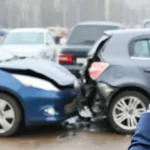
How Is Liability Divided in Chain-Reaction Crashes
Multi-vehicle accidents, often causing chain-reaction crashes, are common on busy New York roads. These collisions can involve three, four, or even more vehicles, making it difficult to determine who is at fault and to what extent. Unlike a simple two-car accident, liability in a chain-reaction crash is rarely assigned to just one driver. Instead,… Read More »

The Statute of Limitations for Ozempic NAION Lawsuits in New York
Reports linking Ozempic to a serious vision condition known as non-arteritic anterior ischemic optic neuropathy (NAION)—sometimes referred to as an “eye stroke”—have raised urgent legal questions for patients across New York. For those who have suffered sudden vision loss after using Ozempic, one of the most important issues is timing. How long do you… Read More »
The Cost of a Sidewalk Accident in NYC: More Than Just Medical Bills
Sidewalks are a common part of life in New York City, where millions of pedestrians rely heavily on walking to get around every day. However, a seemingly simple trip and fall can quickly turn into a serious injury with lasting consequences. While many people focus on immediate medical expenses, the true cost of a… Read More »
How OSHA Violations Are Used as Evidence in New York Construction Injury Cases
Construction sites across New York City present serious risks, most especially when safety rules are ignored. After an accident, injured workers often hear about “OSHA violations” and assume that a violation automatically proves liability. In reality, the role of OSHA in a New York construction injury case is more nuanced. While OSHA violations can… Read More »
How Permanent Impairment Ratings Affect Injury Settlements
After a serious accident, many injured individuals want to know how lasting injuries will impact the value of their case. Permanent impairment ratings are often a key part of that analysis. Understanding how these ratings work and why they matter in personal injury claims can help you know what to expect as your case… Read More »

“Eye Stroke” and Ozempic: Why Google Searches Are Surging
Search interest in the phrase “eye stroke” has increased sharply as more patients report vision problems after taking Ozempic. Many people are turning to Google with questions like “Can Ozempic cause vision loss?” or “What are the signs of an eye stroke?” This surge reflects growing public concern about a condition known medically as… Read More »
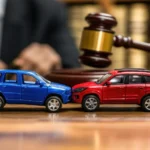
What Happens When the At-Fault Driver Only Has Minimal Insurance Coverage?
Car accidents in New York City often lead to serious injuries and significant financial losses. But what happens when the driver who caused the crash carries only the minimum required insurance, or not enough to fully cover your damages? This situation is more common than many people realize, and it can complicate an otherwise… Read More »

Common Misconceptions About Sidewalk Accident Claims in NYC
Sidewalk accidents happen every day in New York City, yet many injured pedestrians are unsure about their legal rights. Misunderstandings about who is responsible, what evidence is needed, and whether a claim is even worth pursuing often prevent people from taking action. Below, New York City sidewalk accident attorney Leandros A. Vrionedes addresses some… Read More »
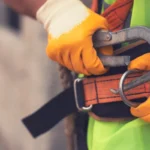
Construction Accidents Caused by Missing or Inadequate Safety Devices
Construction sites in New York City can be dangerous environments, especially when work is performed at heights or involves heavy materials. To reduce these risks, New York law requires contractors and property owners to provide proper safety equipment. When those safety devices are missing, defective, or inadequate, the consequences can be severe. Falls from… Read More »