

NAION and Ozempic: What Patients Should Know About Potential Vision Loss Claims
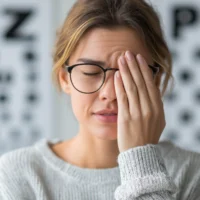 Ozempic has become a widely prescribed medication for managing type 2 diabetes, and its active ingredient, semaglutide, has also drawn attention because of its use as a weight loss treatment. Alongside its benefits, questions have emerged about a potential association between semaglutide and nonarteritic anterior ischemic optic neuropathy (NAION), a condition that can cause sudden and sometimes permanent vision loss.
For patients who develop NAION after taking Ozempic, the consequences can extend far beyond their eyesight. Vision impairment can affect employment, driving, independence, and everyday activities. Patients and families may also face substantial medical expenses and uncertainty about what caused the injury.
Leandros A. Vrionedes, P.C. helps injured individuals understand their legal options when Ozempic may have contributed to a serious medical condition such as stomach paralysis, bowel obstruction, or NAION. Understanding NAION, the evidence surrounding semaglutide, and the requirements for a potential product liability claim can help patients make informed decisions about their next steps.
What Is NAION?
Nonarteritic anterior ischemic optic neuropathy, commonly known as NAION, is a disorder involving damage to the optic nerve caused by reduced blood flow to the front portion of the nerve. The optic nerve carries visual information from the eye to the brain. When its blood supply is disrupted, the resulting injury can interfere with vision.
NAION is sometimes described as an “eye stroke,” although it differs from the type of stroke that affects the brain. It typically causes sudden, painless vision loss in one eye, often noticed upon waking. The severity varies, but some patients experience substantial and lasting visual impairment.
Symptoms can include blurred vision, dimming or darkening in part of the visual field, difficulty distinguishing details, and reduced peripheral vision. Some people notice a shadow or missing area in their vision rather than complete blindness.
NAION can affect daily activities in significant ways. Depending on the extent of the damage, a person may have difficulty reading, recognizing faces, navigating unfamiliar spaces, driving, or performing work that requires accurate vision. Although some patients experience partial improvement, established optic nerve damage can be permanent.
Sudden vision loss requires urgent medical evaluation. Anyone experiencing sudden changes in vision should seek emergency medical care or an immediate ophthalmologic assessment. Patients should not wait to determine whether symptoms will resolve on their own.
The Potential Connection Between Ozempic and NAION
Ozempic contains semaglutide, a glucagon-like peptide-1 (GLP-1) receptor agonist used to help manage blood sugar levels in adults with type 2 diabetes. Semaglutide is also the active ingredient in other medications prescribed for different indications, including Wegovy and Rybelsus, although their approved uses and formulations differ.
Researchers have investigated whether semaglutide use is associated with an increased risk of NAION. The concern gained attention after observational research reported a possible association between the medication and this uncommon eye condition.
These findings are important because an association does not, by itself, establish that a medication causes an injury. Patients prescribed semaglutide may have underlying conditions that independently increase their risk of optic nerve damage. Diabetes, obesity, and cardiovascular disease, for example, can complicate efforts to determine whether a medication contributed to a particular patient’s condition.
Nevertheless, a potential safety signal warrants continued investigation, particularly when the outcome can involve permanent vision loss. Patients who develop NAION after taking Ozempic may reasonably want to understand whether their medication history is relevant and whether a legal claim deserves further evaluation.
Risk Factors for NAION
NAION can occur in people who have never taken Ozempic or another semaglutide medication. Understanding established risk factors is therefore essential when evaluating a potential medication-related injury.
Age and Optic Nerve Anatomy
NAION occurs more frequently in adults over age 50. The anatomical structure of the optic nerve also matters. Some people have a small optic nerve head with a crowded arrangement of nerve fibers, sometimes described as a “disc at risk.” This anatomy can increase susceptibility to NAION.
Diabetes and High Blood Pressure
Diabetes can damage blood vessels and interfere with normal circulation. High blood pressure and other vascular conditions can also affect blood flow to the optic nerve. These conditions are especially relevant when assessing whether an episode of NAION was related to an underlying medical problem, a medication, or a combination of factors.
High Cholesterol and Cardiovascular Disease
Elevated cholesterol, atherosclerosis, and other cardiovascular conditions can contribute to vascular problems. Their presence may increase a patient’s underlying risk of NAION and become important considerations in a medical and legal review.
Sleep Apnea and Other Health Conditions
Obstructive sleep apnea has also been associated with NAION. Episodes of reduced oxygen levels during sleep and other vascular factors may contribute to optic nerve injury. Smoking and certain medications or health circumstances can also be relevant to an individual’s overall risk profile.
Having one or more risk factors does not automatically rule out a medication-related claim. Conversely, developing NAION while taking Ozempic does not automatically establish that the medication caused the condition. A careful assessment must consider the patient’s complete medical history, the timing of symptoms, and the available scientific evidence.
How Doctors Diagnose NAION
A diagnosis of NAION generally requires an ophthalmologic examination and a review of the patient’s symptoms and medical history. Because several eye and neurological conditions can cause sudden vision loss, physicians must evaluate other possible explanations as well.
Diagnostic evaluation can include visual acuity testing, examination of the optic nerve, visual field testing, and imaging of the retina and optic nerve. Optical coherence tomography (OCT) can help document structural changes, while photographs of the optic nerve may provide evidence of swelling or later damage. Additional testing may be necessary to distinguish NAION from other causes of vision loss, including arteritic ischemic optic neuropathy and retinal vascular disorders.
Doctors also consider when the symptoms began, whether one or both eyes are affected, and whether the patient has conditions such as diabetes, hypertension, or sleep apnea.
Prompt evaluation is important not only for treatment and monitoring but also for documenting the nature and timing of the injury. Accurate records can later help medical experts assess the diagnosis and determine whether a proposed medication-related explanation is medically plausible.
Can Ozempic Cause NAION?
This is one of the central questions for patients considering a potential vision loss claim. The scientific evidence remains unsettled, and it would be inaccurate to say that Ozempic has been conclusively established as a cause of NAION.
Research has included observational studies, analyses of clinical trial data, and systematic reviews. Each type of evidence has strengths and limitations. Observational studies can identify patterns among large groups of patients, but their findings can be affected by differences in patients’ underlying health, other medications, and how diagnoses are recorded. Clinical trials are useful for evaluating drug safety, but a rare event such as NAION can be difficult to assess when only a small number of cases occur.
A 2026 analysis of randomized clinical trial data involving semaglutide and liraglutide did not find an increased incidence of confirmed NAION among participants receiving these medications compared with those receiving placebo. Other analyses have reported possible associations in particular patient groups, underscoring the need for further investigation.
The key distinction is between identifying a possible population-level association and establishing causation in an individual case. Even if future research clarifies the overall risk, evaluating a patient’s claim will still require attention to the specific circumstances of that person’s injury.
Patients should not independently stop taking prescribed medication based on reports about NAION. Anyone experiencing sudden visual symptoms needs urgent medical assessment, and questions about continuing or changing semaglutide treatment should be discussed promptly with the prescribing clinician.
What Evidence Matters in a Potential Ozempic Vision Loss Claim
A potential product liability claim involving NAION generally requires more than proof that a patient used Ozempic and later lost vision. The available evidence must help establish the nature of the injury, the medication exposure, and a legally sufficient connection between the two.
Medication and Prescription Records
Prescription records, pharmacy histories, medical charts, and treatment notes can help establish when the patient began taking semaglutide, the prescribed dosage, how long treatment continued, and whether the medication was being used as directed. Records concerning other medications and underlying conditions are also important.
Ophthalmology Records and Diagnostic Testing
Eye specialist records can document the NAION diagnosis, the timing and severity of visual impairment, and changes in visual function over time. Visual field tests, OCT scans, optic nerve examinations, and other diagnostic findings may help establish the extent of the injury.
Medical History and Alternative Explanations
An evaluation must account for preexisting medical conditions and other potential causes of optic nerve damage. A patient’s history of diabetes, hypertension, sleep apnea, or cardiovascular disease does not necessarily defeat a claim, but it can make the causation analysis more complex.
Expert Medical Testimony
Qualified medical experts may need to evaluate whether the patient’s diagnosis is consistent with NAION, whether the timing of medication use is medically significant, and whether the evidence supports a causal relationship. Depending on the issues involved, experts may also assess other possible causes and explain the degree of lasting visual impairment.
Evidence of Financial and Personal Losses
Documentation of damages can include medical expenses, rehabilitation costs, lost income, reduced earning capacity, and the cost of assistance with daily activities. Evidence of how vision loss affects independence and quality of life may also be relevant to a claim for non-economic damages, where recoverable under applicable law.
Preserving relevant records can help an attorney and medical experts evaluate a claim more accurately. Patients should retain available prescription information, diagnostic reports, medical bills, and employment records and avoid discarding documents that might help explain their medical history.
Potential Legal Theories in an Ozempic NAION Claim
Depending on the facts and applicable law, a medication-related injury claim may involve one or more product liability theories.
A failure-to-warn claim generally examines whether a manufacturer provided adequate warnings about a material risk and whether a different or stronger warning would have affected prescribing or treatment decisions. These cases can involve complex questions about what the manufacturer knew, when it knew it, and what information should have been communicated to healthcare professionals or patients.
A design defect claim examines whether a product’s design was unreasonably dangerous under the applicable legal standard. In pharmaceutical litigation, these issues can be particularly complex because a medication’s benefits, risks, and available alternatives must be considered under the governing law.
Other claims can involve allegations of negligent testing, research, or safety monitoring, depending on the evidence and the law that applies. Not every theory will be available in every case, and the viability of a claim depends on the specific facts.
An attorney evaluating a potential claim will need to consider the medication involved, the date of use, the injury diagnosis, the applicable jurisdiction, and the evidence supporting each legal element.
Contact Leandros A. Vrionedes, P.C.
Because deadlines can limit the ability to bring a claim, patients who believe their vision loss could be related to Ozempic should consider obtaining an individualized legal assessment rather than assuming they have unlimited time to act. If you or a family member has experienced sudden loss of vision after taking Ozempic, contact Leandros V. Vrionedes, P.C., for a free consultation to evaluate your potential claim and advise you on your options.
