
Recent Blog Posts
Crashes That Occur During Snowy and Icy Conditions
What New Yorkers Need to Know About Accidents in Winter Weather New York winters can be beautiful, but they can also be dangerous. Snowstorms, freezing rain, sleet, and sleet-mixed snow can quickly turn roads and sidewalks into slippery hazards. In recent years, New York City has seen multiple impactful snow events that disrupted travel,… Read More »

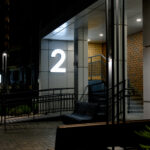
Lighting Conditions and Trip and Fall Liability in New York Buildings
Poor lighting is a frequently overlooked but critical factor in many slip and fall and trip and fall accidents inside New York buildings. While property owners often focus on obvious hazards like broken steps or wet floors, inadequate illumination can turn otherwise minor defects into serious dangers. Throughout New York City in Manhattan, Queens,… Read More »
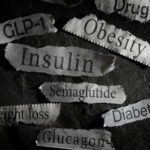
Is NAION Truly “Rare”? Why Ozempic-Related Vision Loss Raises Red Flags
Ozempic and other semaglutide-based medications have been widely promoted as effective treatments for type 2 diabetes and, more recently, for weight loss. As their use has expanded, so has scrutiny of their side effect profile. Among the most concerning emerging allegations are reports of Non-Arteritic Anterior Ischemic Optic Neuropathy (NAION), sometimes referred to as… Read More »
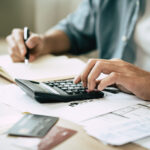
Loss of Earning Capacity vs. Lost Wages: What’s the Difference?
After a serious accident, many people worry about how they are going to pay their medical bills. Just as important—but often misunderstood—is how an injury affects your ability to earn a living. In New York personal injury cases, two separate types of financial losses may apply: lost wages and loss of earning capacity. Although… Read More »
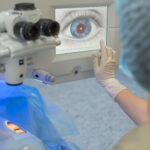
Who Is Most at Risk for an “Eye Stroke” While Taking Ozempic?
Ozempic and other semaglutide drugs are now used by millions of people to manage diabetes and, increasingly, for weight loss. As use has expanded, so have reports of serious complications. One of the most alarming is Non-Arteritic Anterior Ischemic Optic Neuropathy (NAION), a condition often described as an “eye stroke.” NAION involves a sudden… Read More »
Why Vision Loss Lawsuits Often Surface Years After a Drug Reaches the Market
When a prescription drug first comes onto the market, most people assume that all of its serious risks are already known. After all, medications go through years of testing and must be approved by the FDA before doctors can prescribe them. Yet history shows that some of the most serious drug-related injuries, including permanent… Read More »
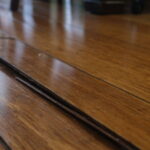
Trip and Fall on Uneven Flooring Inside Commercial Buildings
When people think about trip and fall accidents in New York, they often picture cracked sidewalks or uneven pavement outside a building. While sidewalk defects are a common source of claims, many serious trip and fall injuries happen inside commercial buildings. Uneven flooring, poorly designed transitions, raised thresholds, and deteriorating floor materials can all… Read More »
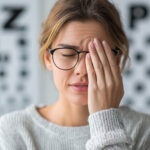
Living With Permanent Vision Loss After Ozempic: Legal Damages Beyond Medical Bills
When people think about injury claims, they often focus on medical bills. But for individuals who suffer permanent vision loss after taking Ozempic, the true cost of the injury extends far beyond hospital visits and diagnostic tests. NAION and other severe vision conditions can permanently alter how a person lives, works, and interacts with… Read More »
“Eye Stroke” After Ozempic: What Patients Mean—and What Doctors Diagnose
An eye stroke, or retinal vascular occlusion, happens when a blood vessel in the eye gets blocked, cutting off oxygen and nutrients, similar to a brain stroke, causing sudden, often painless vision loss in one eye due to damage to the retina or optic nerve. The blockage is usually a blood clot (retinal artery occlusion/RAO)… Read More »
Left-Turn Accidents in New York: Why Fault Is Often Disputed
Left-turn crashes are one of the most common and most complicated types of car accidents on New York roads. Turning left may seem routine, but it requires a driver to cross lanes of oncoming traffic, judge gaps in vehicles approaching at high speeds, and watch for pedestrians and bicyclists. Because of all these moving… Read More »