

What Happens When Patients Trust Incorrect Glucose Data?
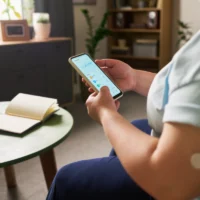
For millions of people living with diabetes, continuous glucose monitoring (CGM) devices have become an indispensable part of daily life. Devices like the Abbott FreeStyle Libre 3 and Libre 3 Plus provide near real-time glucose readings, helping users make important decisions about insulin dosing, meals, exercise, and other aspects of diabetes management. While these devices have improved convenience and diabetes care for many patients, they are not infallible.
When a continuous glucose monitor displays inaccurate glucose readings, the consequences can be immediate and severe. Patients trust the information provided by their device without realizing it is incorrect, potentially leading to dangerous medical emergencies. At Leandros A. Vrionedes, P.C., we understand that when defective medical devices cause preventable injuries, patients deserve answers and may have legal options. Our firm represents serious injury victims and families who suffered losses due to inaccurate FreeStyle Libre 3 or Libre 3 Plus sensor readings.
Continuous Glucose Monitors Are Designed to Guide Critical Decisions
Unlike traditional fingerstick testing, continuous glucose monitors provide frequent glucose measurements throughout the day and night. Many users rely almost exclusively on their CGM to determine whether they need insulin, carbohydrates, or other interventions. These readings influence decisions such as:
- Administering insulin
- Treating suspected low blood sugar
- Eating or skipping meals
- Exercising safely
- Sleeping without setting alarms for overnight glucose checks
- Seeking emergency medical care
Because patients make these decisions multiple times each day, even a single inaccurate reading can have significant consequences.
Why Patients Trust Their CGM
Manufacturers promote continuous glucose monitors as highly accurate medical devices designed to simplify diabetes management. After weeks or months of reliable performance, users naturally develop confidence in the device. As a result, many patients gradually reduce or eliminate routine fingerstick confirmation, particularly when their healthcare providers recommend using the CGM as the primary source of glucose information. An inaccurate reading may not, therefore, immediately raise suspicion. When the displayed number conflicts with the patient’s physical symptoms, individuals assume they are simply experiencing an unusual reaction rather than questioning the device itself.
What Can Cause Incorrect Glucose Data?
Several factors can contribute to inaccurate CGM readings, including:
- Sensor malfunctions
- Software or algorithm errors
- Communication failures between the sensor and smartphone application
- Manufacturing defects
- Premature sensor failure
- Calibration or processing errors
In some cases, the device may display glucose values that differ substantially from the patient’s actual blood sugar level. These discrepancies may persist long enough for the patient to take inappropriate corrective action.
The Danger of False Low Readings
A false low glucose reading may convince a patient that their blood sugar has fallen into a dangerous range when it has not. In response, the patient may consume excessive amounts of sugar, delay or reduce insulin doses, overcorrect blood sugar repeatedly, or ignore future low glucose alerts. These actions can cause blood glucose levels to rise well beyond safe limits.
Severe hyperglycemia can develop quickly, especially for individuals with Type 1 diabetes. If untreated, prolonged high blood sugar may contribute to diabetic ketoacidosis (DKA), a life-threatening condition requiring immediate medical treatment.
The Danger of False High Readings
False high readings can be equally dangerous. Believing their glucose level is elevated, a patient may administer insulin that is not actually needed. Too much insulin can rapidly produce hypoglycemia, which may lead to serious harm ranging from confusion, dizziness, blurred vision and loss of coordination to seizures, loss of consciousness, and even diabetic coma.
Severe hypoglycemia can occur within a relatively short period, particularly if the patient is sleeping, exercising, or driving when symptoms develop.
When Symptoms Don’t Match the Device
One of the most concerning situations occurs when patients experience symptoms that conflict with what their continuous glucose monitor reports. For example, a patient may feel shaky, sweaty, and weak—classic signs of hypoglycemia—while the CGM displays a normal glucose reading. Trusting the device, they may delay treatment until their condition worsens. Conversely, a patient experiencing thirst, fatigue, and frequent urination may see what appears to be a normal glucose level and postpone seeking medical attention for severe hyperglycemia. The confidence patients place in these devices can unintentionally delay appropriate treatment when inaccurate data masks an emerging medical emergency.
Serious Injuries That May Result
Incorrect glucose data can contribute to a wide range of injuries and complications, including:
- Severe hypoglycemia
- Severe hyperglycemia
- Diabetic ketoacidosis
- Falls caused by dizziness or loss of consciousness
- Motor vehicle accidents
- Brain injuries resulting from prolonged oxygen deprivation
- Cardiac complications
- Hospitalization
- Permanent neurological injury
- Death
While not every inaccurate reading leads to catastrophic harm, repeated errors or significant discrepancies can create substantial risks for patients who depend on their devices throughout the day.
What Should Patients Do If They Suspect Incorrect Readings?
Patients should never ignore symptoms simply because a continuous glucose monitor reports otherwise. If glucose readings appear inconsistent with how the patient feels, healthcare providers often recommend confirming the result with a traditional blood glucose meter. Patients should also document any unusual readings, save the sensor if possible, and seek appropriate medical care if concerning symptoms develop. If a device appears to have malfunctioned, reporting the incident may help identify broader safety concerns affecting other users.
When Incorrect Glucose Data May Lead to a Legal Claim
Medical devices sold to consumers are expected to function safely when used as intended. If a manufacturing defect, design defect, or software problem causes a continuous glucose monitor to produce dangerously inaccurate readings, injured patients may have grounds to pursue a product liability claim. Depending on the circumstances, compensation may be available for medical expenses, lost income, pain and suffering, permanent disability, and other damages resulting from the injury. An experienced personal injury attorney can investigate whether the device malfunctioned, preserve important evidence, and determine whether the manufacturer may be legally responsible.
Contact Leandros A. Vrionedes, P.C.
If you or someone you love suffered serious injuries after relying on incorrect glucose readings from a continuous glucose monitoring device such as the Abbott FreeStyle Libre 3 or Libre 3 Plus, it is important to understand your legal rights. Leandros A. Vrionedes, P.C. represents individuals in New York harmed by defective products and works to hold manufacturers accountable when dangerous medical devices cause preventable injuries. Contact the firm today for a free consultation and learn how we may be able to help.