

Crashes That Occur During Snowy and Icy Conditions
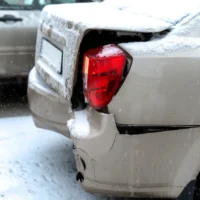
What New Yorkers Need to Know About Accidents in Winter Weather
New York winters can be beautiful, but they can also be dangerous. Snowstorms, freezing rain, sleet, and sleet-mixed snow can quickly turn roads and sidewalks into slippery hazards. In recent years, New York City has seen multiple impactful snow events that disrupted travel, closed schools, and made everyday activities risky. Unfortunately, these same conditions contribute to serious crashes involving cars, pedestrians, and bicycles.
In snowy or icy weather, even everyday actions such as crossing the street, riding a bike, and driving to work become riskier. When accidents occur under these conditions, questions of fault, liability, and legal responsibility can be more complicated than usual. Below we discuss why winter weather increases the risk of crashes and how liability is analyzed when snowy or icy conditions play a role. If you or a loved one has been injured by another’s negligent or reckless driving in Brooklyn, the Bronx, Manhattan or Queens, contact Leandros A. Vrionedes, P.C., to speak with an experienced New York City automobile accident lawyer.
Snow and Ice Make Roads Slippery for Drivers
The most obvious danger during snowstorms is the road itself. Snow and ice reduce traction between tires and pavement, making it harder for drivers to stop or steer. Even with four-wheel drive or anti-lock brakes, vehicles can slide unpredictably when roads are slick.
Reduced visibility during snowfall can also prevent drivers from seeing hazards in time to react. In the densest snow, drivers may not see crosswalks, stop signs, or pedestrians until it’s too late.
In New York City, where congestion is typical even in fair weather, snowy conditions add another layer of complexity. Drivers who are unfamiliar with winter driving techniques, who are distracted, or who speed for conditions are more likely to lose control, slide through intersections, or be unable to stop for a crossing pedestrian or cyclist.
Pedestrian Knockdowns on Icy Streets and Crosswalks
Slippery surfaces don’t just affect vehicles; pedestrians are equally vulnerable to snowy and icy conditions. A wet, slushy crosswalk can quickly turn into hard ice when temperatures drop, making it easy to slip and fall. Worse, ice on roadways can cause motorists to lose control and strike people walking across the street.
Pedestrian knockdowns often occur at crosswalks near bus stops, busy intersections, or areas where snow plows have pushed snow into the street. When sidewalks are not cleared or maintained, pedestrians may be forced to walk in the roadway, increasing the chance of being hit by a sliding vehicle.
In recent winters, New Yorkers have reported multiple pedestrian injuries during snowstorms, particularly when drivers failed to adjust their speed or yield the right-of-way at crosswalks.
In snow and ice cases involving pedestrians, liability is not always straightforward. While the weather can make conditions unpredictable, drivers still have a legal duty to exercise reasonable care. This includes reducing speed in snowy conditions, maintaining control of the vehicle, and yielding to pedestrians at crosswalks and intersections, even when roads are slippery.
Bicycle Knockdowns and Winter Road Hazards
Cycling in winter weather is challenging. Ice, snow, and slush can hide potholes, sewer grates, and uneven pavement. A patch of black ice can send a bicycle skidding sideways with little warning. Riders may also be forced closer to traffic when bike lanes are filled with snow.
Cyclists struck by vehicles during snowy conditions may face complex liability issues. Drivers may claim that the bicycle lost control because of the ice rather than because of their actions. However, reduced traction does not excuse drivers from maintaining a proper lookout and adjusting their speed for conditions.
In New York, cyclists have the same right to use the road as motorists. When a driver fails to yield, takes a turn too sharply, or collides with a cyclist who is lawfully in the bike lane or roadway, the driver may be liable even if the weather is poor.
Automobile Collisions in Snow and Ice
Motor vehicle collisions increase markedly during winter storms. Drivers who fail to slow down for conditions find it difficult to stop at red lights or intersections, slide into cross traffic, or spin out of control on overpasses and bridges. Chain reaction pileups are common on highways, but even surface streets in New York City can become treacherous in a quick temperature drop.
Even when an accident occurs during a snowstorm, insurers and courts look at whether the drivers involved took reasonable precautions. “Reasonable care” in snowy conditions generally means:
- Reducing speed well below the posted limit
- Increasing following distance
- Avoiding sudden braking or aggressive maneuvers
- Using headlights and ensuring windshield visibility
- Avoiding unnecessary travel during severe snow events
When a driver fails to take these precautions and causes a collision, that driver may be considered negligent, even if the weather was bad.
Sidewalk Hazards and Snow-Related Slip and Fall Claims
In addition to roadway crashes, snowy and icy conditions commonly cause slip and fall injuries on sidewalks, in building entrances, and in parking lots. Some of these fall claims involve private property owners who failed to remove snow and ice in a reasonable time after a storm. Others involve municipal defenses such as the “storm in progress” doctrine, which may protect a property owner from liability while snow is falling or shortly thereafter.
Whether the case involves a pedestrian struck by a sliding vehicle or a person who slipped on ice in a store entryway, snowy conditions often complicate questions of notice, maintenance, and reasonableness.
Recent Snowstorms in New York Highlight Winter Risks
New York City’s recent winters have brought several significant snowstorms and periods of freezing rain. These events often:
- Overwhelm snow removal efforts
- Cause rapid transitions between melting and refreezing
- Increase the number of pedestrians walking in the streets because the sidewalks are not cleared
- Lead to dangerous nighttime conditions when temperatures drop after snow has accumulated
During these events, traffic signals, bus routes, and crosswalk markings can become harder to see. Drivers who do not adjust for visibility and traction are more likely to be involved in crashes.
For pedestrians and cyclists, navigating snowy intersections and slick roads requires extra caution. Unfortunately, even careful people can be injured through no fault of their own when another driver fails to control their vehicle.
Who May Be Liable After a Snow-Related Crash
Determining liability after a crash in snowy or icy conditions depends on the specific facts of each case. Weather may be a contributing factor, but it does not automatically excuse careless or reckless behavior.
In motor vehicle crashes involving snow and ice, liability may attach when a driver:
- Was speeding for conditions
- Failed to yield the right-of-way at intersections
- Did not maintain control of the vehicle
- Failed to use appropriate lighting or signaling
- Drove while distracted
- Passed other vehicles unsafely
In pedestrian and bicycle knockdowns, liability may similarly arise when drivers do not anticipate the presence of vulnerable road users, do not reduce speed, or fail to maintain control on slippery surfaces.
In slip and fall cases on sidewalks and inside buildings, liability may depend on whether the property owner or manager failed to remove snow or ice within a reasonable time after a storm, or whether they failed to warn visitors about a known hazard.
Seasonal Safety Tips for New Yorkers
While not a guarantee against accidents, adjusting behavior during snowy and icy weather can lower your risk:
- Slow down significantly, even if roads appear clear
- Allow extra following distance between vehicles
- Use headlights in low visibility
- Wear appropriate footwear on snow or ice
- Avoid biking in heavy snow unless conditions are safe
- Keep your windshield and mirrors clear
- Allow extra time for travel
These precautions benefit not only drivers but also pedestrians and cyclists who share the same winter conditions.
Talk to a New York Injury Lawyer if You Were Hurt
Crashes and falls during snowy and icy weather can result in serious injuries that affect your health, mobility, and ability to work. Whether you were in a car collision, knocked down as a pedestrian, or slipped and fell in icy conditions, important legal issues may apply.
At Leandros A. Vrionedes, P.C., we represent injured individuals throughout New York City, as well as in Nassau and Westchester counties. We understand how winter weather contributes to crashes and how insurers often respond after a snowy accident. If you were hurt due to someone else’s negligence during snowy or icy conditions, we can help you explore your rights and potential compensation under New York law.
Contact Leandros A. Vrionedes, P.C., for a free consultation to discuss your case and the next steps toward justice and compensation.