
Recent Blog Posts

How Doctors’ Notes and Diagnostic Imaging Impact Serious Injury Claims
When you’re seriously hurt in a car accident, a slip and fall, or another personal injury in New York, proving the severity of your injuries is critical. Insurance companies and courts rely heavily on your medical records and diagnostic tests to determine how serious your injuries are and how much compensation you may deserve…. Read More »


Why Open and Obvious Hazards Still Lead to Successful Slip and Fall Claims
Property owners and insurance companies frequently argue that a dangerous condition was “open and obvious,” and therefore the injured person should have avoided it. In New York slip and fall litigation, this defense is common, but it does not automatically defeat liability. In many cases involving slip and fall or trip and fall accidents… Read More »

Future Medical Care in Personal Injury Cases
When someone suffers a serious injury in a car crash, truck or bus collision, pedestrian knockdown, slip and fall, trip and fall, or construction accident, the immediate medical bills are only part of the financial picture. In many cases, the most substantial component of a personal injury claim is the cost of future medical… Read More »
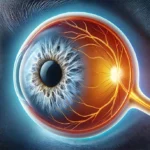
NAION vs. Other Ozempic Eye Complications: What Makes Vision Loss Cases Stand Apart
Patients taking Ozempic (semaglutide) have reported a range of eye-related side effects. While some are minor or temporary, Non-Arteritic Anterior Ischemic Optic Neuropathy (NAION) stands out as uniquely severe and potentially life-altering. Understanding how NAION, often referred to as eye stroke, differs from other ocular complications is important for patients, caregivers, and attorneys evaluating… Read More »

Slipping and Falling on Snow and Ice in New York City
Winter weather in New York City creates more than inconvenience. Snow, sleet, and freezing rain routinely turn sidewalks, parking lots, and store entrances into dangerous walking surfaces. Every year, pedestrians suffer fractures, head injuries, and back injuries after slipping on untreated ice or compacted snow. These incidents often lead to serious personal injury claims… Read More »

Falls From Heights vs. Same-Level Falls on New York Construction Sites
Construction sites are inherently hazardous environments. For construction workers in New York, a critical question arises after a fall: Does it matter legally whether I fell from a height or simply tripped and fell on the same level? The answer is yes. Under New York law, the legal framework that applies to a construction… Read More »
Sudden Vision Loss After Ozempic: When Symptoms Are Dismissed or Misdiagnosed
As lawsuits involving Ozempic and other semaglutide medications continue to grow, increasing attention is being paid to cases involving sudden vision loss, often described as an “eye stroke.” Many of these claims involve Non-Arteritic Anterior Ischemic Optic Neuropathy (NAION), a condition that can cause permanent damage to the optic nerve. But in a number… Read More »
Why Vision Loss Claims Are Treated Differently Than Other Ozempic Injuries
As litigation involving Ozempic and other semaglutide medications continues to develop, a clear distinction has emerged between vision loss claims and other alleged injuries tied to these drugs. While many Ozempic lawsuits involve gastrointestinal complications, gallbladder issues, or metabolic problems, cases involving permanent vision loss—particularly Non-Arteritic Anterior Ischemic Optic Neuropathy (NAION), sometimes described as… Read More »
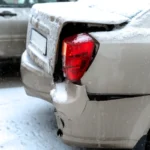
Crashes That Occur During Snowy and Icy Conditions
What New Yorkers Need to Know About Accidents in Winter Weather New York winters can be beautiful, but they can also be dangerous. Snowstorms, freezing rain, sleet, and sleet-mixed snow can quickly turn roads and sidewalks into slippery hazards. In recent years, New York City has seen multiple impactful snow events that disrupted travel,… Read More »

Lighting Conditions and Trip and Fall Liability in New York Buildings
Poor lighting is a frequently overlooked but critical factor in many slip and fall and trip and fall accidents inside New York buildings. While property owners often focus on obvious hazards like broken steps or wet floors, inadequate illumination can turn otherwise minor defects into serious dangers. Throughout New York City in Manhattan, Queens,… Read More »