

What Evidence Is Needed for an Ozempic Injury Claim
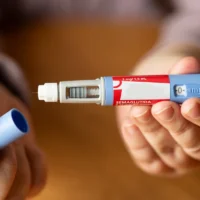
As more patients report serious side effects linked to Ozempic (semaglutide), questions about potential legal claims are becoming more common, especially in cases involving vision loss such as Non-Arteritic Anterior Ischemic Optic Neuropathy (NAION), often referred to as an “eye stroke.” If you believe you were harmed after taking Ozempic, the strength of your case will depend heavily on the quality and consistency of your evidence. This is true of any personal injury claim, but it is particularly applicable in pharmaceutical product liability cases, where causation and documentation are closely scrutinized.
In New York City, Nassau County, and Westchester County, New York Ozempic injury lawyer Leandros A. Vrionedes, P.C., evaluates whether the available medical and factual evidence supports a viable Ozempic injury claim and pursues full compensation for individuals harmed by dangerous drugs.
Why Evidence Matters in Ozempic Cases
Unlike a typical accident case, where liability may be more straightforward, Ozempic claims require proof that the medication caused or contributed to a specific injury. This is often the most contested issue. Drug manufacturers and insurers frequently challenge these claims by arguing that the condition was caused by underlying health issues, not the medication. Strong, well-documented evidence is essential to overcome these defenses.
Proof of Prescription and Use
The starting point for any Ozempic claim is clear documentation showing that the medication was prescribed and used. This may include pharmacy records, prescribing physician notes, and refill history. These records help establish when the drug was taken, how long it was used, and whether the timing aligns with the onset of symptoms. Without this foundational evidence, it becomes difficult to connect the injury to the medication.
Medical Records Confirming the Diagnosis
A confirmed medical diagnosis is critical. In cases involving NAION, ophthalmology records are especially important. These records may include:
- Eye examinations documenting sudden vision loss
- Imaging or testing used to evaluate optic nerve damage
- Notes from specialists confirming a diagnosis of NAION
NAION is particularly significant because it often involves sudden, painless, and permanent vision loss, typically in one eye. Patients may wake up with blurred or missing vision, which does not improve over time. Because the condition is usually irreversible, it is often treated as a high-value injury in litigation.
Timing and Symptom Onset
The timeline of events plays a major role in establishing causation. Medical records should clearly document when symptoms began relative to Ozempic use. For example, if vision loss or other complications developed after starting the medication, that sequence may support a causal connection. Delays in reporting symptoms or gaps in documentation can make claims more difficult to prove. Consistency across medical records, patient history, and treatment notes is key.
Evidence of Causation
Causation is often the most complex part of an Ozempic injury claim. It requires showing that the medication was a substantial factor in causing the injury. This is typically supported by:
- Medical expert opinions linking the condition to Ozempic
- Documentation ruling out other likely causes
- Scientific or clinical data supporting a connection
In NAION cases, this may involve evaluating vascular risk factors and whether the medication could have affected blood flow to the optic nerve.
Documentation of Other Ozempic-Related Conditions
While NAION is a major focus of Ozempic injury claims, several other serious conditions have also been reported and may form the basis of a claim. Each requires its own type of medical documentation. These include, among others:
- Gastroparesis: Records showing delayed gastric emptying, persistent nausea, or stomach paralysis
- Ileus or bowel obstruction: Imaging studies and hospital records confirming intestinal blockage
- Deep Vein Thrombosis (DVT): Ultrasound or vascular studies documenting blood clots
In each case, the key issue is not just the diagnosis, but whether the condition can be linked to Ozempic use through timing and medical analysis.
Ongoing Treatment and Prognosis
Medical records should also reflect the severity and long-term impact of the condition. This includes treatment plans, specialist evaluations, and notes regarding whether the condition is temporary or permanent. For example, NAION cases often involve permanent vision loss with little chance of recovery. In contrast, some gastrointestinal conditions may improve over time but still require extended treatment. The long-term outlook can significantly affect the value of a claim.
Consistency in Medical Care
Consistency matters. Regular treatment and follow-up care help create a clear and credible record of the injury. Gaps in treatment or inconsistent reporting of symptoms may be used by defense attorneys or insurers to argue that the injury is not as serious or is unrelated to the medication. Maintaining a clear and continuous medical record strengthens the overall case.
Why Early Documentation Is Critical
The earlier that evidence is gathered and preserved, the stronger the claim is likely to be. Medical records, prescription history, and diagnostic findings are most reliable when documented close in time to the injury. Waiting too long to seek care or document symptoms can create gaps that are difficult to overcome later.
Contact Leandros A. Vrionedes, P.C.
Ozempic injury claims involving NAION and other serious conditions depend on strong, well-documented evidence. From prescription records to specialist evaluations, each piece plays a role in building a case. Leandros A. Vrionedes, P.C., represents individuals in New York City, Nassau County, and Westchester County who have suffered serious injuries linked to pharmaceutical products like Ozmepic. The firm evaluates medical records, timing, and causation to determine whether a viable claim exists.
If you experienced vision loss or another serious condition after taking Ozempic, contact Leandros A. Vrionedes, P.C., today to discuss your case and learn how the firm can help you pursue compensation.