
Trip and Fall on Uneven Flooring Inside Commercial Buildings
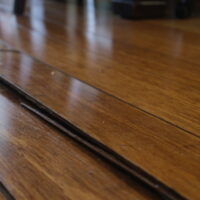
When people think about trip and fall accidents in New York, they often picture cracked sidewalks or uneven pavement outside a building. While sidewalk defects are a common source of claims, many serious trip and fall injuries happen inside commercial buildings. Uneven flooring, poorly designed transitions, raised thresholds, and deteriorating floor materials can all create dangerous conditions for customers, tenants, and visitors.
Property owners and managers have a legal duty to keep interior walking surfaces reasonably safe. When they fail to do so, and someone gets hurt, they may be held liable under New York premises liability law. If you or a loved one suffered a trip and fall injury inside a commercial building in Manhattan, Brooklyn, Queens or the Bronx, contact Leandros A. Vrionedes, P.C., to speak with an experienced New York City trip and fall injury attorney.
Common Types of Uneven Flooring Inside Buildings
Uneven flooring inside commercial buildings can take many forms. Some of the most common include height differences between flooring materials, such as where tile meets carpet or wood meets concrete. These transitions may seem minor, but even a small change in elevation can cause someone to catch a toe and fall.
Raised or damaged thresholds at doorways are another frequent problem. Over time, thresholds can warp, loosen, or shift. In busy commercial spaces, repeated foot traffic can make these conditions worse if they are not properly maintained.
Interior flooring materials themselves can also create hazards. Loose tiles, buckled wood flooring, worn carpeting, or uneven concrete slabs are all conditions that may lead to trips and falls. In older buildings, settling or structural movement can cause floors to slope or crack, creating irregular walking surfaces.
Temporary fixes, such as mismatched patchwork repairs or poorly installed floor mats placed over uneven areas, can actually make conditions more dangerous instead of safer.
Why Interior Flooring Defects Are Often Overlooked
Interior trip hazards are sometimes ignored because they are not as visible as exterior sidewalk defects. People may assume that conditions inside a store, office building, or apartment complex are safe by default. Property owners may also believe that interior defects are less likely to result in liability, especially if the condition appears small or developed gradually over time.
Courts, however, do not give interior hazards a free pass. A dangerous condition inside a building can be just as actionable as one outside, depending on the facts.
The Legal Duty of Property Owners in New York
Under New York law, property owners and managers must maintain their premises in a reasonably safe condition. This duty applies to interior spaces that are open to customers, tenants, and other lawful visitors.
To succeed in a trip and fall case involving uneven interior flooring, an injured person generally must show that:
- A dangerous condition existed
- The property owner created the condition or had actual or constructive notice of it
- The owner failed to fix the condition within a reasonable time
- The condition caused the fall and resulting injuries
Unlike sidewalk cases, which often involve specific municipal rules and liability-shifting statutes, interior flooring cases are usually governed by general negligence and premises liability principles.
Actual vs. Constructive Notice
One of the key issues in interior flooring cases is notice. Actual notice means the owner knew about the uneven flooring, such as through prior complaints, maintenance records, or inspections. Constructive notice means the condition existed for a long enough period that the owner should have discovered and corrected it through reasonable inspections.
For example, a loose tile or uneven transition that has been present for months may support a finding of constructive notice. On the other hand, a sudden and recent defect may be harder to prove unless there is evidence that the owner caused it directly.
Trivial Defect Arguments in Interior Flooring Cases
Property owners often argue that uneven flooring defects are “trivial” and therefore not legally actionable. New York courts do not rely on a strict height measurement alone when deciding these cases. Instead, they look at the total circumstances.
Courts may consider factors such as lighting conditions, the location of the defect, foot traffic patterns, whether the defect was camouflaged by flooring color or design, and whether the area was crowded or distracting. An interior flooring defect that might seem minor on paper can still be dangerous in a real-world environment.
Building Codes and Industry Standards
Building codes and safety regulations can play an important role in interior trip and fall cases. New York State and local building codes often address floor uniformity, permissible height differentials, stair and threshold design, and slip resistance.
For example, codes may limit abrupt changes in floor elevation or require beveled edges for transitions above a certain height. Failure to comply with applicable codes or accepted industry standards can be strong evidence that a property owner did not maintain safe conditions.
Even when a code violation is not present, expert testimony may establish that the flooring design or maintenance fell below accepted safety standards.
Why Interior Flooring Cases Can Be Strong Claims
Interior trip and fall cases often have advantages that sidewalk cases do not. The property owner typically has direct control over interior conditions and cannot shift responsibility to a municipality. Surveillance footage, maintenance logs, and cleaning schedules may also provide valuable evidence.
In many cases, the injured person was lawfully on the premises for business purposes, such as shopping or working, which strengthens the duty owed by the property owner.
What to Do After a Trip and Fall Inside a Building
If you are injured due to uneven flooring inside a commercial building, it is important to document the scene as soon as possible. Photographs of the flooring condition, lighting, and surrounding area can be critical. Reporting the incident to management and seeking prompt medical attention can also help preserve your claim.
Because property owners often repair interior defects quickly after an accident, early investigation is especially important.
Contact a New York Trip and Fall Premises Liability Lawyer for Immediate Assistance
Uneven flooring inside commercial buildings is a serious safety issue that can lead to significant injuries. These cases are not limited to sidewalks or outdoor walkways. Transitions, thresholds, and interior flooring materials all fall under a property owner’s duty to maintain safe premises.
If a property owner knew or should have known about an interior flooring defect and failed to correct it, they may be legally responsible for the harm that results. Understanding how courts evaluate these cases can make a critical difference in determining whether an injured person has a viable claim. For a free case evaluation and consultation with an experienced and dedicated New York City personal injury attorney, contact Leandros A. Vrionedes, P.C., today.
