
Lighting Conditions and Trip and Fall Liability in New York Buildings
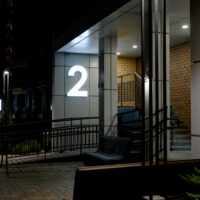
Poor lighting is a frequently overlooked but critical factor in many slip and fall and trip and fall accidents inside New York buildings. While property owners often focus on obvious hazards like broken steps or wet floors, inadequate illumination can turn otherwise minor defects into serious dangers. Throughout New York City in Manhattan, Queens, Brooklyn, and the Bronx, as well as Nassau and Westchester counties, courts routinely consider lighting conditions when evaluating whether a property owner failed to maintain the premises in a reasonably safe condition.
See below for a discussion about how inadequate lighting contributes to trip and fall and slip and fall accidents, where these incidents most often occur, and how New York law analyzes liability when poor visibility plays a role. If you or a loved one has been hurt because of a property owner’s negligence, contact Leandros A. Vrionedes, P.C., to speak with a skilled and experienced NYC premises liability attorney.
Why Lighting Matters in Slip and Fall and Trip and Fall Cases
Lighting affects a person’s ability to perceive elevation changes, surface defects, obstacles, and transitions. Even a small height differential or uneven surface can become hazardous when shadows, dim bulbs, or complete darkness prevent a pedestrian from seeing where to place their feet.
New York premises liability law does not require property owners to guarantee perfect safety. Instead, owners and managers must take reasonable steps to keep their property safe under the circumstances. Adequate lighting is part of that obligation, particularly in areas where people are expected to walk, climb stairs, or enter and exit a building.
When lighting is insufficient, courts often view it as a contributing factor that can support liability, especially when combined with another defect such as worn stair edges, uneven flooring, or debris on the ground.
Common Areas Where Poor Lighting Leads to Falls
Lighting-related slip and fall and trip and fall accidents tend to occur in predictable locations. These areas are heavily trafficked and often under the control of the building owner or managing agent.
Stairwells
Stairwells are one of the most common settings for lighting-related fall claims. Dim lighting can make it difficult to see stair edges, landings, or changes in elevation. Burned-out bulbs, missing fixtures, or inadequate illumination at the top or bottom of a staircase can significantly increase the risk of a misstep.
In New York cases, courts often evaluate whether the stairwell lighting was sufficient for safe use and whether the condition existed long enough that the owner should have corrected it. Lighting issues are particularly problematic in older residential buildings and commercial properties where fixtures may not be routinely inspected.
Hallways and Corridors
Interior hallways in apartment buildings, office buildings, hotels, and hospitals are expected to be safely navigable at all times. Poor lighting in these areas can obscure floor level changes, loose carpeting, raised thresholds, or objects left in the walkway.
Trip and fall claims in hallways often involve a combination of hazards. For example, a slight floor defect that might be visible in daylight can become dangerous at night when hallway lighting is inadequate or uneven.
Parking Garages
Parking garages present unique lighting challenges. They are often enclosed, rely on artificial lighting at all hours, and contain curbs, wheel stops, ramps, and elevation changes. Poor lighting can prevent drivers and pedestrians from seeing oil spills, potholes, broken concrete, or steps between levels.
Slip and fall and trip and fall cases in garages frequently involve allegations that the owner failed to maintain lighting consistent with the expected use of the space, particularly in areas where pedestrians walk after parking their vehicles.
Entryways and Building Entrances
Building entrances are transitional spaces where lighting is especially important. Changes from outdoor light to indoor darkness, or vice versa, can momentarily impair vision. If an entryway is poorly lit, pedestrians may not see mats, steps, uneven flooring, or wet surfaces.
In New York, entryway falls are often scrutinized closely because these areas are under the direct control of the property owner and are intended for constant public use.
How New York Courts Evaluate Lighting in Fall Cases
In slip and fall and trip and fall litigation, lighting is rarely evaluated in isolation. Instead, courts look at the totality of the circumstances to determine whether the property was reasonably safe.
Key factors often include:
- Whether lighting met applicable building or safety code requirements
- The location of the accident and the expected foot traffic
- Whether lighting fixtures were broken, missing, or obstructed
- How long the lighting condition existed before the accident
- Whether the poor lighting concealed another dangerous condition
Importantly, inadequate lighting can defeat a property owner’s argument that a defect was “open and obvious.” A condition that might be visible in a well-lit area may not be open and obvious in a dark stairwell or hallway.
Building Codes and Lighting Standards
New York City and New York State building codes include provisions addressing minimum lighting levels in common areas, stairways, and means of egress. While a code violation is not always required to prove liability, evidence that lighting failed to comply with applicable regulations can significantly strengthen a claim.
Even when no specific code violation is identified, owners may still be held liable if the lighting was unreasonably poor given the circumstances and the foreseeable risk of a slip and fall or trip and fall accident.
Notice and Maintenance Issues
As with most premises liability claims, notice plays a central role. To establish liability, an injured person typically must show that the owner either knew or should have known about the lighting problem.
Lighting issues often support constructive notice arguments. Burned-out bulbs, non-functioning fixtures, or long-standing dark areas are conditions that do not usually appear suddenly. Courts may infer that routine inspections should have identified and corrected the problem.
Maintenance records, work orders, and inspection logs can become important evidence in determining whether lighting was properly monitored and maintained.
Contact New York Trip and Fall Lawyer Leandros A. Vrionedes
Lighting conditions play a significant role in many slip and fall and trip and fall accidents inside New York buildings. Stairwells, hallways, parking garages, and entryways all require adequate illumination to allow safe use. When property owners fail to maintain proper lighting, even minor defects can become serious hazards.
If you were injured in a slip and fall or trip and fall accident where poor lighting was a factor, the circumstances deserve careful legal review. Leandros A. Vrionedes, P.C., represents injured individuals throughout New York City, as well as Nassau and Westchester counties, in premises liability matters involving unsafe building conditions. Evaluating lighting, maintenance practices, and notice issues can be critical to determining whether a property owner may be held accountable under New York law. Contact our office for a free consultation to evaluate your claim and find out how we can help.
