
How Prior Complaints and Maintenance Records Strengthen Trip and Fall Claims
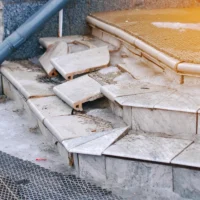
Trip and fall accidents are common in New York City buildings, stores, apartment complexes, and sidewalks. While some falls happen unexpectedly, many occur because a dangerous condition existed long before the accident took place. Uneven flooring, loose tiles, damaged stairs, or poorly maintained walkways can remain hazardous for weeks or months if property owners fail to address them.
In many trip and fall cases, one of the most important legal questions is whether the property owner either created the hazard or knew or should have known about the dangerous condition before the accident happened. Evidence of prior complaints and maintenance records can be extremely valuable in answering that question.
For people injured in trip and fall accidents in Manhattan, Queens, Brooklyn or the Bronx, New York City trip and fall accident attorney Leandros A. Vrionedes, P.C. investigates property records and maintenance history to determine whether a dangerous condition had been reported before the fall occurred.
Why Notice Matters in Trip and Fall Cases
Under New York premises liability law, property owners are responsible for maintaining reasonably safe conditions on their property. However, they are not automatically liable for every accident that occurs.
In many cases, an injured person must show that the property owner had notice of the dangerous condition. Notice generally falls into two categories:
- Actual notice, meaning the owner or building staff were directly aware of the problem.
- Constructive notice, meaning the condition existed long enough that the owner should have discovered and fixed it through reasonable inspection.
Prior complaints and maintenance records often provide powerful evidence that notice existed.
How Prior Complaints Can Prove a Dangerous Condition Was Known
One of the clearest ways to prove actual notice is to show that someone previously reported the same hazard before the accident occurred. For example, tenants, employees, or customers may have complained about loose floor tiles or uneven flooring, broken steps in a stairwell, raised sidewalk slabs or cracked pavement, torn carpeting or floor mats, or poor lighting in hallways or entryways. If records show that the property owner or building manager received complaints about the same hazard before the fall, it becomes much harder for them to argue that they were unaware of the danger. In some cases, multiple complaints may exist, demonstrating that the condition was ignored for an extended period of time.
The Importance of Maintenance and Inspection Records
Maintenance records can also play a key role in trip and fall cases. These records may reveal whether the property owner was regularly inspecting the area where the accident occurred and whether repairs were attempted.
Maintenance documents can include, for example:
- Building inspection logs
- Work orders for repairs
- Cleaning and maintenance schedules
- Contractor repair reports
- Incident reports related to previous accidents
If records show that the area was rarely inspected or that repairs were delayed, this information may support a claim that the property owner failed to maintain the premises safely. In some situations, maintenance records may even confirm that a known hazard was scheduled for repair but remained unfixed when the accident happened.
When Records Show a Pattern of Neglect
In certain trip and fall cases, maintenance and complaint records reveal a broader pattern of neglect. Instead of a single isolated problem, the evidence may show repeated safety issues throughout the property. For example, building records may reveal ongoing complaints about deteriorating flooring, poorly maintained stairways, or inadequate lighting. When this type of pattern appears, it can strengthen the argument that the property owner failed to take reasonable steps to maintain safe conditions. This type of evidence can be particularly persuasive during settlement negotiations or at trial because it demonstrates that the hazard was not a sudden or unexpected problem.
Where These Records Are Often Found
Prior complaints and maintenance records can come from several sources. In residential buildings, complaints may appear in tenant communications, management logs, or building service requests. In commercial properties such as grocery stores, retail locations, or office buildings, records may include internal maintenance logs or reports from employees who noticed hazards.
In some cases, records may also exist in municipal databases or inspection reports, especially when the issue involves building code violations or unsafe structural conditions. Because these records are not always easily accessible, attorneys often use legal procedures during the investigation process to obtain them.
Trip and fall cases often depend heavily on documentation that property owners control. Maintenance logs, internal emails, and repair records may not be available unless they are requested through formal legal channels. For that reason, early investigation is often important. The sooner an attorney begins reviewing records and interviewing witnesses, the better the chances of identifying evidence that shows the property owner had notice of the dangerous condition. In addition to complaint and maintenance records, investigators may also review photographs, surveillance footage, and witness statements to understand how long the hazard existed before the accident.
Building a Strong Trip and Fall Case in NYC
Trip and fall cases are rarely based on a single piece of evidence. Instead, attorneys typically combine multiple forms of proof to show that a property owner failed to maintain safe conditions. Prior complaints and maintenance records can provide crucial support for claims involving hazards such as uneven flooring, broken stairs, loose tiles, poor lighting, or other dangerous conditions in buildings and commercial spaces. When these records demonstrate that a hazard was known but left uncorrected, they can significantly strengthen a personal injury claim.
Contact Leandros A. Vrionedes, P.C.
If you were injured in a trip and fall accident in New York City, Nassau County, or Westchester County, investigating the property’s maintenance history may be an important step in determining whether you have a claim. Leandros A. Vrionedes, P.C., represents individuals who have suffered serious injuries due to unsafe conditions in residential buildings, retail stores, sidewalks, and other properties. The firm investigates prior complaints, maintenance records, and inspection history to uncover evidence that property owners knew about dangerous conditions before an accident occurred.
Contact Leandros A. Vrionedes, P.C., today to discuss your trip and fall case and learn how the firm can help pursue compensation for your injuries.
