
Frequently Asked Questions About NAION and Ozempic
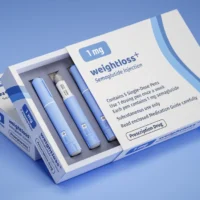
As reports of vision problems linked to Ozempic continue to surface, many patients are asking important questions about the connection between the medication and serious eye conditions like Non-Arteritic Anterior Ischemic Optic Neuropathy (NAION), often referred to as an “eye stroke.” This guide addresses common concerns about Ozempic vision loss, helping patients better understand symptoms, risks, and potential legal implications.
For individuals in New York City, Nassau County, and Westchester County dealing with sudden vision loss after taking GLP-1 weight loss drugs, Ozempic injury lawyer Leandros A. Vrionedes, P.C., reviews medical records and timelines to determine whether a claim may be viable and works to hold drugmakers accountable to the people who have been harmed.
Can Ozempic cause permanent vision loss?
There are increasing reports and ongoing investigations into whether Ozempic (semaglutide) may be associated with NAION, a condition that can cause sudden and often permanent vision loss. NAION occurs when blood flow to the optic nerve is reduced, leading to damage that typically cannot be reversed. While research is still developing, many claims focus on whether patients and doctors were adequately warned about the potential risk of serious vision complications.
What is NAION, and why is it called an “eye stroke”?
NAION stands for Non-Arteritic Anterior Ischemic Optic Neuropathy. It is sometimes called an “eye stroke” because it involves a loss of blood flow to the optic nerve, similar to how a stroke affects the brain. This lack of blood flow can damage the optic nerve, resulting in sudden vision loss—often in one eye—and usually without pain.
What are the early symptoms of NAION?
NAION symptoms often appear suddenly and may be easy to overlook at first. Many patients notice changes when they wake up. Common symptoms include:
- Sudden blurred or dim vision in one eye
- Loss of part of the visual field (such as side vision)
- Dark or shadowed areas in vision
- Reduced color perception
Because these symptoms can worsen quickly and may become permanent, immediate medical attention is important.
Is vision loss from NAION reversible?
In most cases, vision loss from NAION is permanent. Unlike some other eye conditions that may improve with treatment, damage to the optic nerve generally cannot be reversed. This permanence is one reason NAION-related claims are often treated as serious, high-impact injury cases.
How is NAION different from other Ozempic-related eye issues?
Not all vision problems associated with Ozempic involve permanent damage. Some patients experience temporary blurred vision related to blood sugar changes, while others may have underlying diabetic eye conditions such as retinopathy. NAION is different because it involves direct injury to the optic nerve. This distinction is important both medically and legally, as permanent vision loss carries greater long-term consequences.
Who may be at higher risk for developing NAION?
Certain individuals may be more vulnerable to NAION due to underlying health conditions. Risk factors often include diabetes, high blood pressure, and other vascular issues that affect blood flow. Some claims also examine whether the medication may increase susceptibility in already at-risk individuals. These factors can become important when evaluating foreseeability and liability in a legal case.
When do symptoms typically appear after taking Ozempic?
The timing of symptoms can vary. Some patients report vision changes shortly after starting Ozempic or increasing their dosage, while others may not notice symptoms until weeks or months later. The timeline between medication use and symptom onset is often a key issue in both medical evaluations and legal claims.
What should I do if I experience sudden vision loss while taking Ozempic?
Sudden vision loss should always be treated as a medical emergency. An ophthalmologist can perform the necessary tests to determine whether NAION or another condition is present. It is also important to document your symptoms, medical visits, and medication history. Keeping detailed records can be helpful if questions arise about the cause of the condition.
How is NAION diagnosed?
Doctors typically diagnose NAION through a combination of clinical examination and testing. This may include evaluating the optic nerve, conducting visual field tests, and reviewing the patient’s medical history. There is no single test that confirms NAION, so diagnosis often depends on ruling out other possible causes of vision loss.
Can I file a lawsuit if I develop NAION after taking Ozempic?
If there is evidence that Ozempic contributed to the development of NAION and that proper warnings were not provided, a person may have grounds for a pharmaceutical product liability claim. These cases often focus on issues such as:
- Whether the drug manufacturer adequately warned about the risk
- Whether the medication affected blood flow or other processes linked to optic nerve damage
- Whether the timing of symptoms supports a connection
Each case depends on its specific facts, including medical records and expert analysis.
What damages can be recovered in an Ozempic vision loss claim?
Because NAION often results in permanent vision impairment, the damages in these cases can be significant. Compensation may include medical expenses, lost income, and the long-term impact on daily life. In addition to financial losses, claims may also address the effects of vision loss on independence, employment, and overall quality of life.
Contact Leandros A. Vrionedes, P.C.
Vision loss from an “eye stroke” can affect nearly every aspect of your life, from your ability to work to your independence in daily activities. If you or a loved one developed NAION after taking Ozempic, it is important to understand your options. Leandros A. Vrionedes, P.C., represents individuals in New York City, Nassau County, and Westchester County who have suffered serious injuries linked to dangerous medications. The firm evaluates Ozempic vision loss claims and works to determine whether patients may be entitled to compensation.
Contact Leandros A. Vrionedes, P.C., today to discuss your situation and learn how the firm can help protect your rights and pursue a claim.
