
How Is Liability Divided in Chain-Reaction Crashes
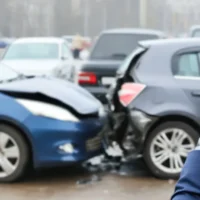
Multi-vehicle accidents, often causing chain-reaction crashes, are common on busy New York roads. These collisions can involve three, four, or even more vehicles, making it difficult to determine who is at fault and to what extent. Unlike a simple two-car accident, liability in a chain-reaction crash is rarely assigned to just one driver. Instead, courts and insurance companies analyze complex legal concepts like causation and comparative fault to determine how responsibility should be divided. For injured drivers, passengers, pedestrians, and cyclists in Manhattan, Brooklyn, Queens and the Bronx, New York City automobile accident lawyer Leandros A. Vrionedes, P.C. determines who is liable in multi-vehicle accidents and holds them fully accountable for the harm they have caused.
What Is a Chain-Reaction Crash?
A chain-reaction crash occurs when one initial impact sets off a sequence of collisions involving multiple vehicles. For example, one vehicle may stop suddenly, causing a second vehicle to rear-end it, which then pushes that vehicle into a third. In other cases, multiple impacts occur in rapid succession, making it difficult to identify where the sequence began. These accidents often happen in heavy traffic, on highways, or during poor weather when drivers fail to adapt their driving to the prevailing conditions.
What Makes Chain-Reaction Cases Complicated Legally?
In a chain-reaction crash, there may be multiple contributing factors rather than a single clear cause. Each driver’s actions are examined to determine whether they played a role in causing or worsening the accident. Issues such as speed, following distance, distraction, and road conditions all come into play. Because several drivers may share responsibility, liability is often divided among them.
What Is “Causation” and Why Does It Matter?
Causation refers to the link between a driver’s actions and the accident. In chain-reaction crashes, courts look at both who started the sequence of events and whether other drivers contributed to the outcome. There are typically two key questions when it comes to causation in a chain-reaction collision:
- Did a driver’s actions set the crash in motion?
- Did other drivers fail to react reasonably under the circumstances?
For example, a driver who suddenly stops without reason may trigger a chain of collisions. However, drivers behind them may still share fault if they were following too closely or not paying attention.
Is the Rear Driver Always at Fault?
Not always. While there is a general presumption that a rear driver is responsible for a rear-end collision, that presumption can be challenged. In chain-reaction crashes, multiple rear-end impacts may occur in sequence. Each driver has a duty to maintain a safe following distance and remain alert, but liability depends on the specific facts of each collision. For instance, if a driver is pushed into another vehicle due to an impact from behind, they may not be held responsible for the secondary collision.
How Is Fault Allocated in New York?
New York follows a modified form of joint and several liability, which is a legal term used to allocate fault in civil cases. In New York, any single driver responsible for a crash could be held entirely responsible for damages the crash victim suffered, instead of just a proportionate share. This concept applies to the so-called economic damages experienced by the victim, such as medical bills and lost wages. When it comes to non-economic damages like pain and suffering, a negligent driver is only liable for their proportionate share, so long as they were less than 50% at fault. This rule gives crash victims flexibility in recovering full compensation from one party or more, depending on issues such as insurance policy limits, questions of proof, and other matters.
In situations where the crash victim’s own negligence may have played a role, New York follows a pure comparative fault system. This means that an injured person can still recover compensation even if they are partially at fault, though their recovery may be reduced in proportion to their negligence. Insurance companies often overestimate the victim’s negligence, making strong legal representation essential to being treated fairly.
What Evidence Is Used to Determine Fault?
Establishing liability in a multi-vehicle accident requires a detailed review of the evidence. Because these crashes often happen quickly, physical evidence and documentation are critical. Key evidence may include, for example:
- Police accident reports
- Witness statements
- Photographs of vehicle damage and positions
- Surveillance or traffic camera footage
- Vehicle data and accident reconstruction analysis
In complex cases, accident reconstruction experts may be used to determine how the sequence of impacts occurred and who contributed to each stage.
How Do Insurance Companies Handle These Claims?
Insurance companies often conduct their own investigations and may assign fault percentages based on their findings. However, these determinations are not always final and can be disputed. In some cases, insurers may attempt to shift blame or minimize their policyholder’s responsibility. This can lead to disagreements over fault and delays in resolving the claim. When multiple policies are involved, coordinating coverage and determining payment responsibility can become more complicated.
Why Early Investigation Is Important
Because chain-reaction crashes involve multiple vehicles and potentially conflicting accounts, early investigation is critical. Evidence can be lost or altered over time, and witness memories may fade. Prompt documentation of the scene, vehicle damage, and injuries can help establish how the accident occurred and who is responsible.
Contact Leandros A. Vrionedes, P.C.
Determining liability in a chain-reaction crash requires a careful analysis of causation and comparative fault. With multiple drivers and insurance companies involved, these cases can quickly become complex. Leandros A. Vrionedes, P.C., represents injured individuals in New York City, Nassau County, and Westchester County in multi-vehicle accident cases. The firm works to identify all responsible parties and pursue compensation based on the full extent of the injuries and damages.
If you were injured in a chain-reaction crash in NYC, contact Leandros A. Vrionedes, P.C., today to discuss your case and learn how the firm can help you move forward.
